

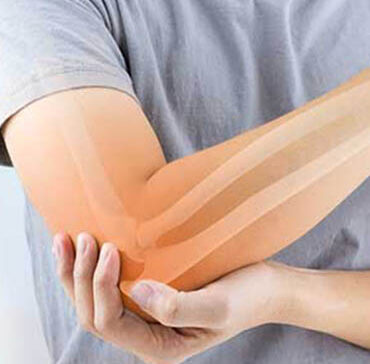
Your elbow lets you throw, lift, swing, and hug, for starters. You can do all this because it’s not a simple joint. And that means there are a lot of ways things can go wrong. Your elbow’s a joint formed where three bones come together — your upper arm bone, called the humerus, and the ulna and the radius, the two bones that make up your forearm. Each bone has cartilage on the end, which helps them slide against each other and absorb shocks. They’re lashed into place with tough tissues called ligaments. And your tendons connect your bones to muscles to allow you to move your arm in different ways. If anything happens to any of these parts, not to mention the nerves and blood vessels around them, it can cause you pain.
Common Elbow Injuries
Some injuries, hopefully, are one-off events, like when you fall or get hit hard while playing a sport. During the summer months, many people stay active by playing golf or tennis. These sports, however, carry a risk of injury to the tendons – bands of tissue that connect muscles to bones.
Tendonitis: Inflammation, pain and difficulty using the joint caused by repetitive activities and/or sudden trauma.
Tendonosis: A degeneration (breakdown) or tear of tendons which occurs as a result of aging. Symptoms of tendonosis usually last more than a few weeks. (Note: Your risk of tendonitis and tendonosis increases with age. They also occur more frequently in those who routinely perform activities that require repetitive movement, as this places greater amounts of stress on the tendons)
Tennis elbow: Also referred to as lateral epicondylitis, this condition occurs when there is an injury to the outer elbow tendon.
Dislocated elbow: When one of the bones that forms the elbow gets knocked out of place, you have a dislocated elbow. One of the more common causes is when you put your hand out to catch yourself during a fall. It can also happen to toddlers when you swing them by their forearms — that’s called nursemaid’s elbow. If you think you or your child has a dislocated elbow, call your doctor right away.
Fractured elbow: If one of your arm bones breaks at the elbow, you have a fracture. Usually, this happens with a sudden blow, as you might get in a contact sport or a car accident. And don’t be fooled if you can still move your elbow afterward. If you’re in pain and it doesn’t look right, it could be broken. You’ll need medical attention.
Strains and sprains: When muscles get stretched or torn, it’s called a strain. When it’s ligaments, it’s a sprain. You can get a strain when you put too much pressure on your elbow muscles, like when you lift heavy objects or overdo it with sports. Elbow sprains are common in athletes who throw, use racquets, or play contact sports.